Pebbler Case Study
Company: Astreth
Role: Product Design Lead
Design Completion Date: December, 2025
Credits:
Shaela Druyon (Lead Product Designer, videographer, final design integration, Figma design system creation, and demo prototype creation)
Cara O'Doniel (custom app icons)
Charity Michot (Pebbler logo designs)
Sophia Carmine (UX Designer, UX Research)
Pyrex (UX Research)
Shawn (Full Stack Developer)
Jordyn Holland (Kickstarter Cover Image)
What is Pebbler?
Pebbler is a social media app that aims to create a safe digital space for freedom and self-expression, while fairly compensating and honoring creators.
The app went through various stages of iteration based on the volunteers in the design team. I synthesized all of the ideas and various app designs submitted, and eventually created my own Figma file with a more organized process to show our stages of design—from wireframes, to UI polished screens, to a working prototype demo.
Contributions
User Research: I helped create polls and conduct user research from our Discord audience, organized and analyzed hundreds of responses, and made key decisions for designs with the help of the team and user-input. Using Figjam boards for data organization and discussion amongst the team, we analyzed poll responses together before deciding collaboratively which features to focus on designing for MVP.
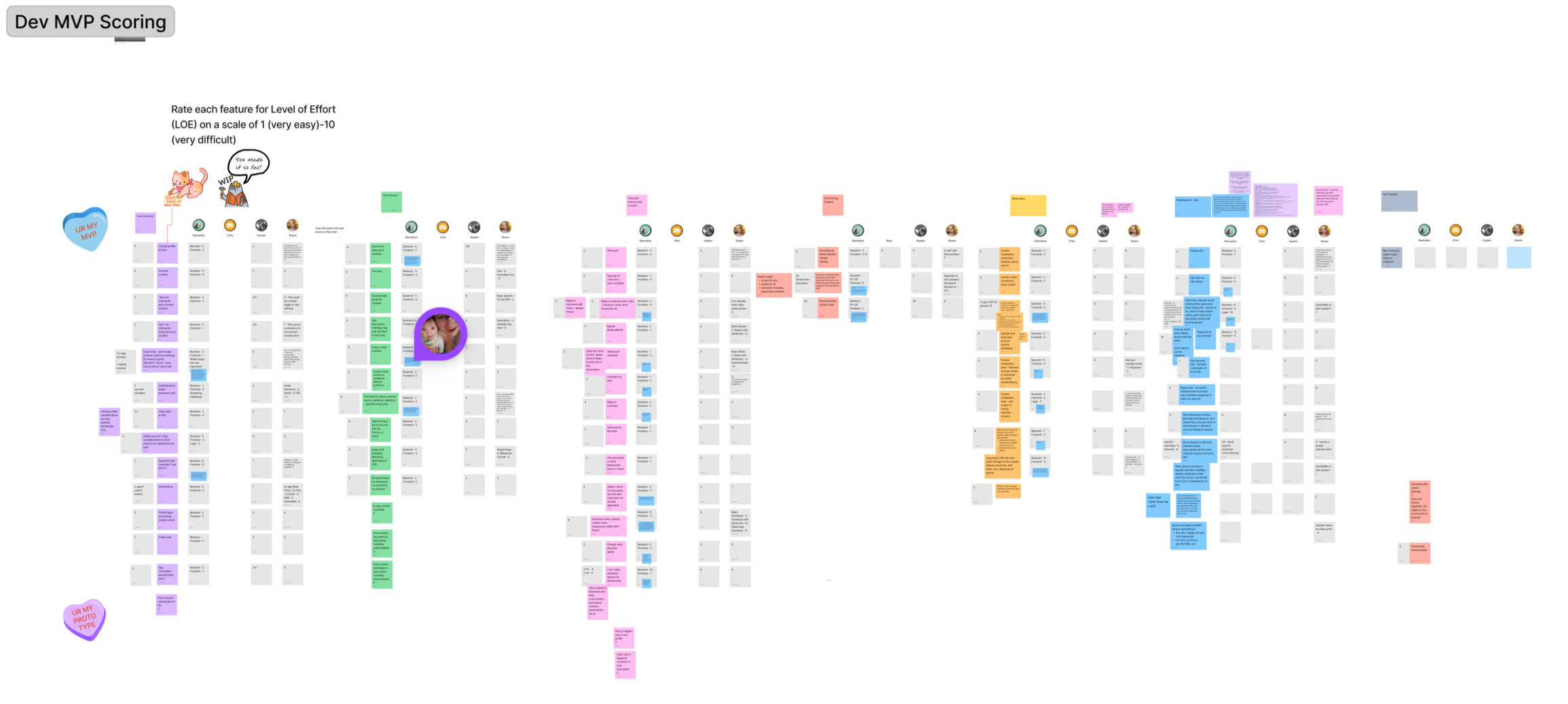
UX/UI Designs: I also led the design team meetings, sprints, and prioritized work to meet product goals and deadlines. Established design meeting and workflow processes and communication systems for effective remote-work, iterating the app designs through stages. First design collaboration, creating PRDs based on user research, mapping where those features would live in the app. Then approaching each are of the app with more specific user research on feature implementation ideas, then wireframes, then user feedback on the wireframes to inform the Figma UI-polished screens. And finally, more feedback on those polished screens, then a final round of tweaks and prototyping based on that feedback.
Design Process: As the Team Lead, I collaborated with the other designers to create our agreed upon design process, documenting it for clarity and for easy reference. The process we followed consisted of 4 main stages.
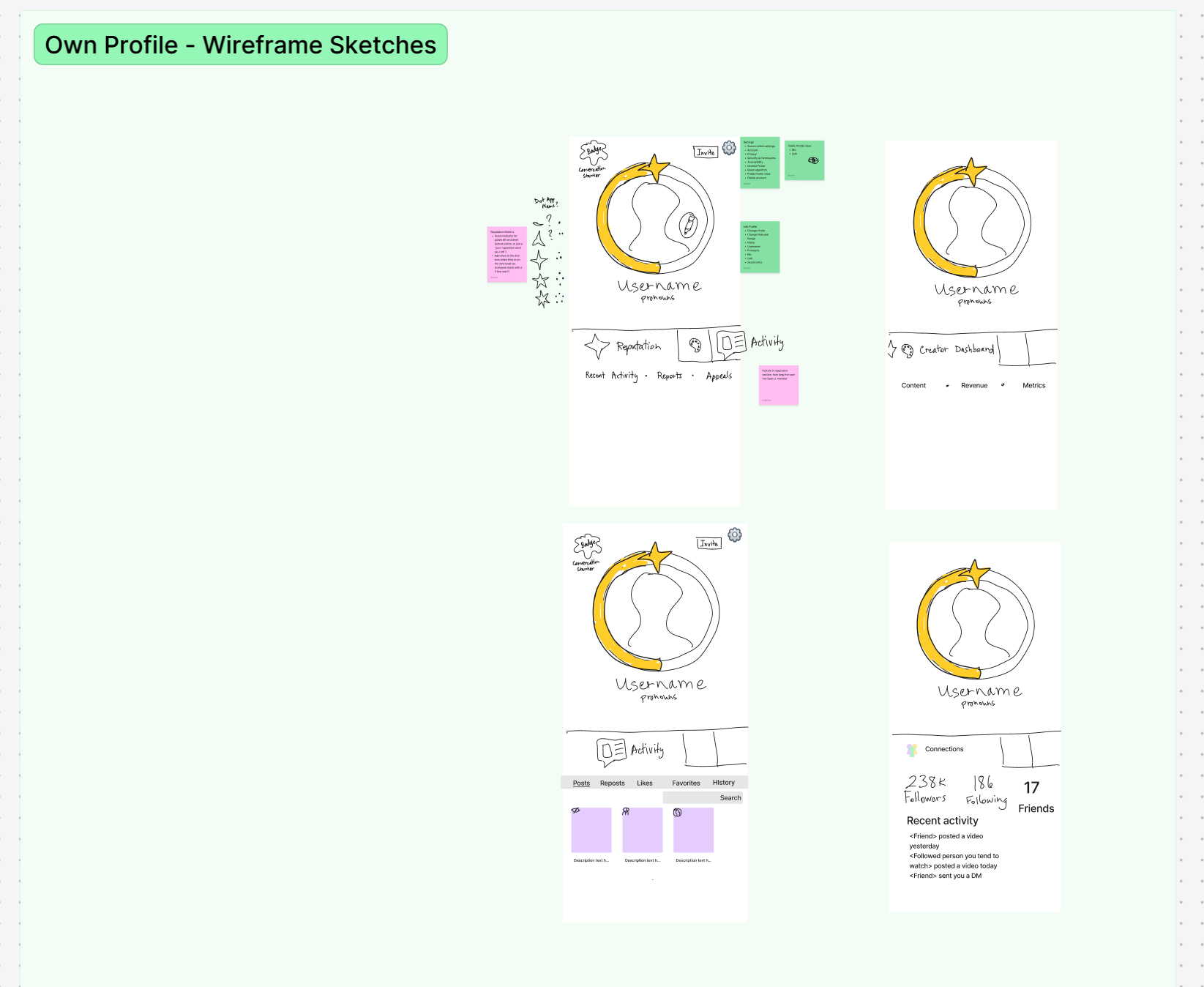
Step 1: Feature Concept Sketches
First, I’d roughly sketch concept designs for the design team to weigh in on, incorporating deep understanding of user pain-points and feature requirements.
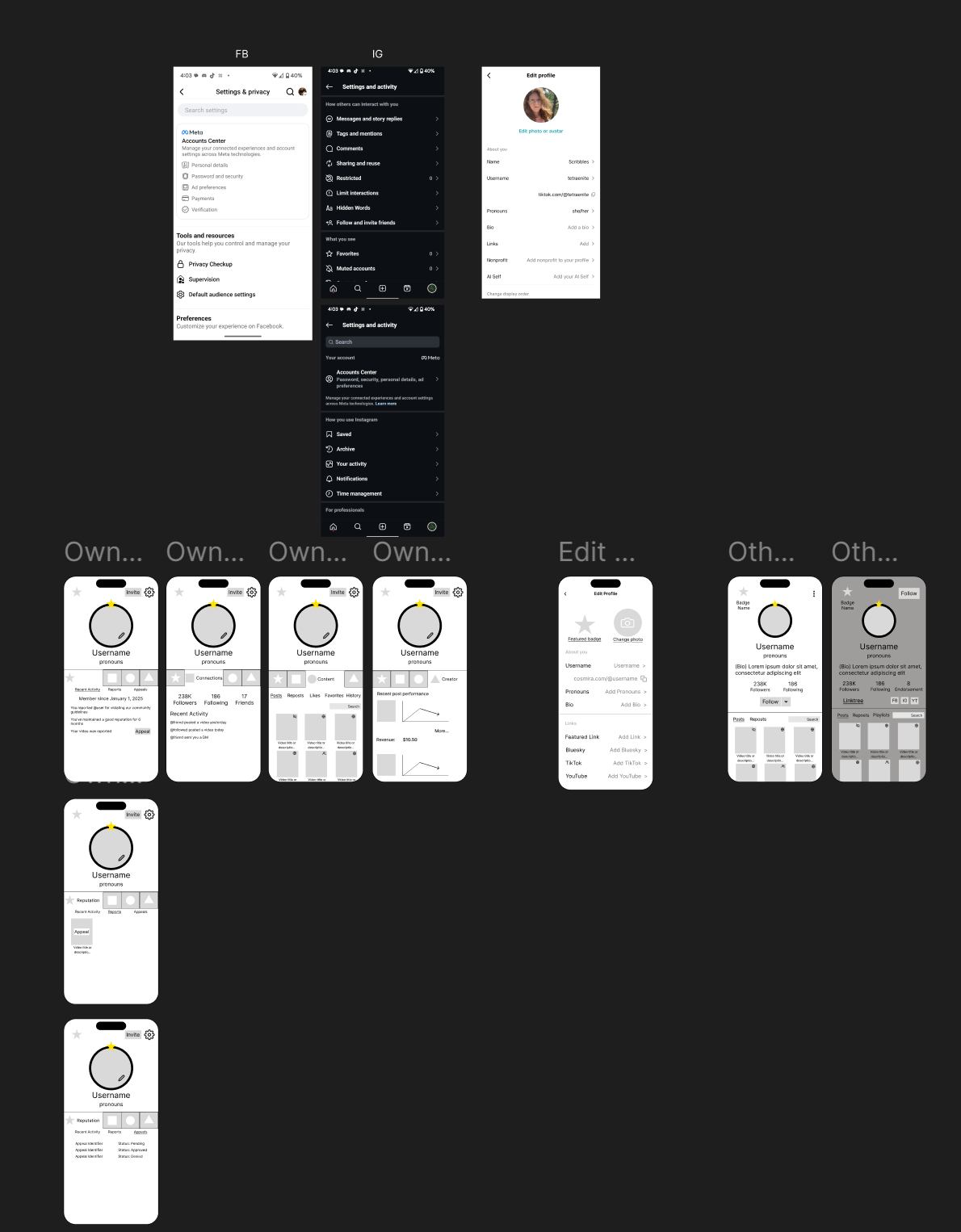
Step 2: Figma Wireframing
After initial feedback, we would poll our target audience/community to get their thoughts, and let their feedback inform the wireframes I created in Figma.
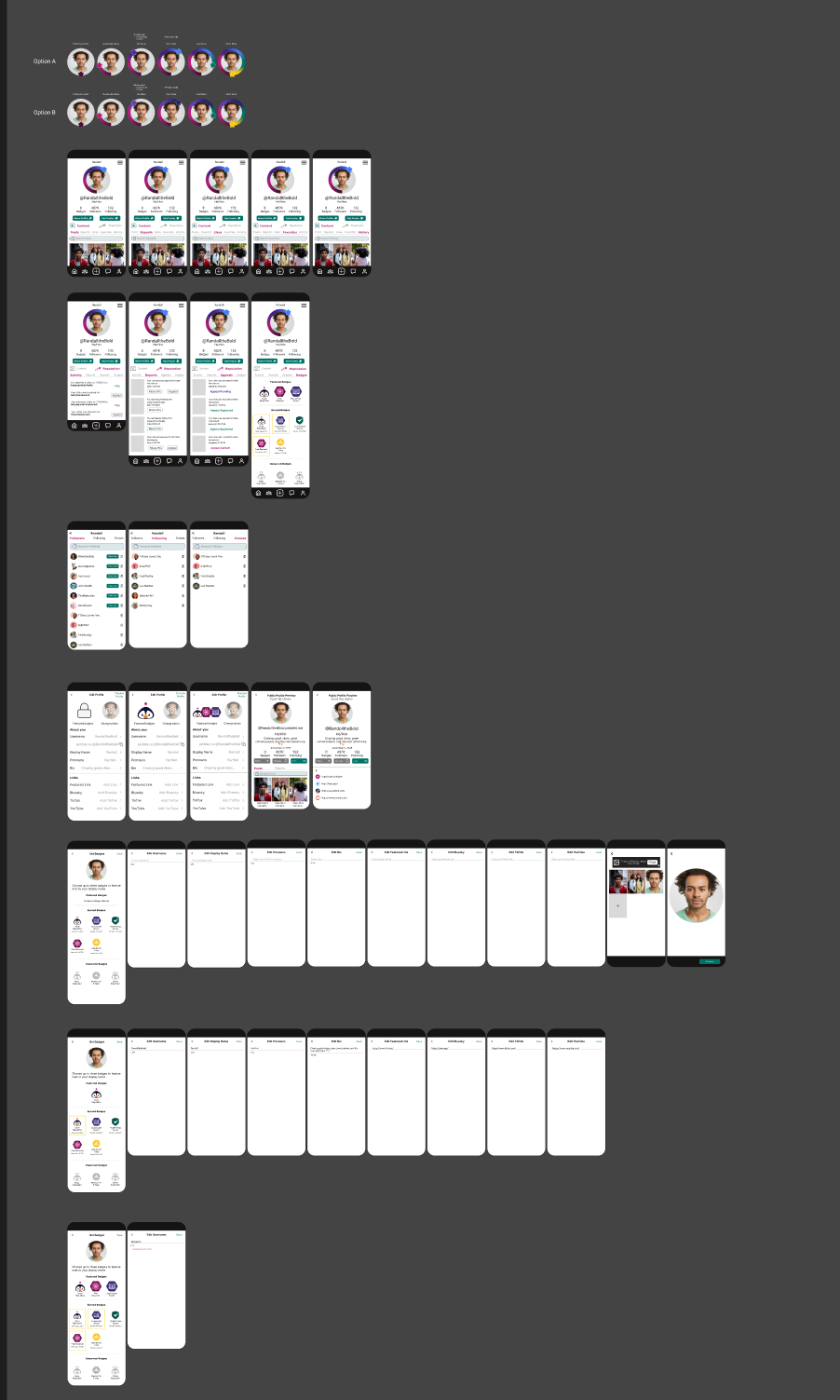
Step 3: Polished UI Screens
Next, we’d get more user feedback on the wireframes, making sure that the features and user experience was easy to navigate without explaining too much. Once I had a clear idea of what needed tweaking, I would adapt the designs and create the polished UI screens in Figma.
Step 4: Prototype/Demo
After yet another round of user feedback, I’d put final polish on the designs as I created the product demo in Figma, ready to show stakeholders or use in marketing materials.
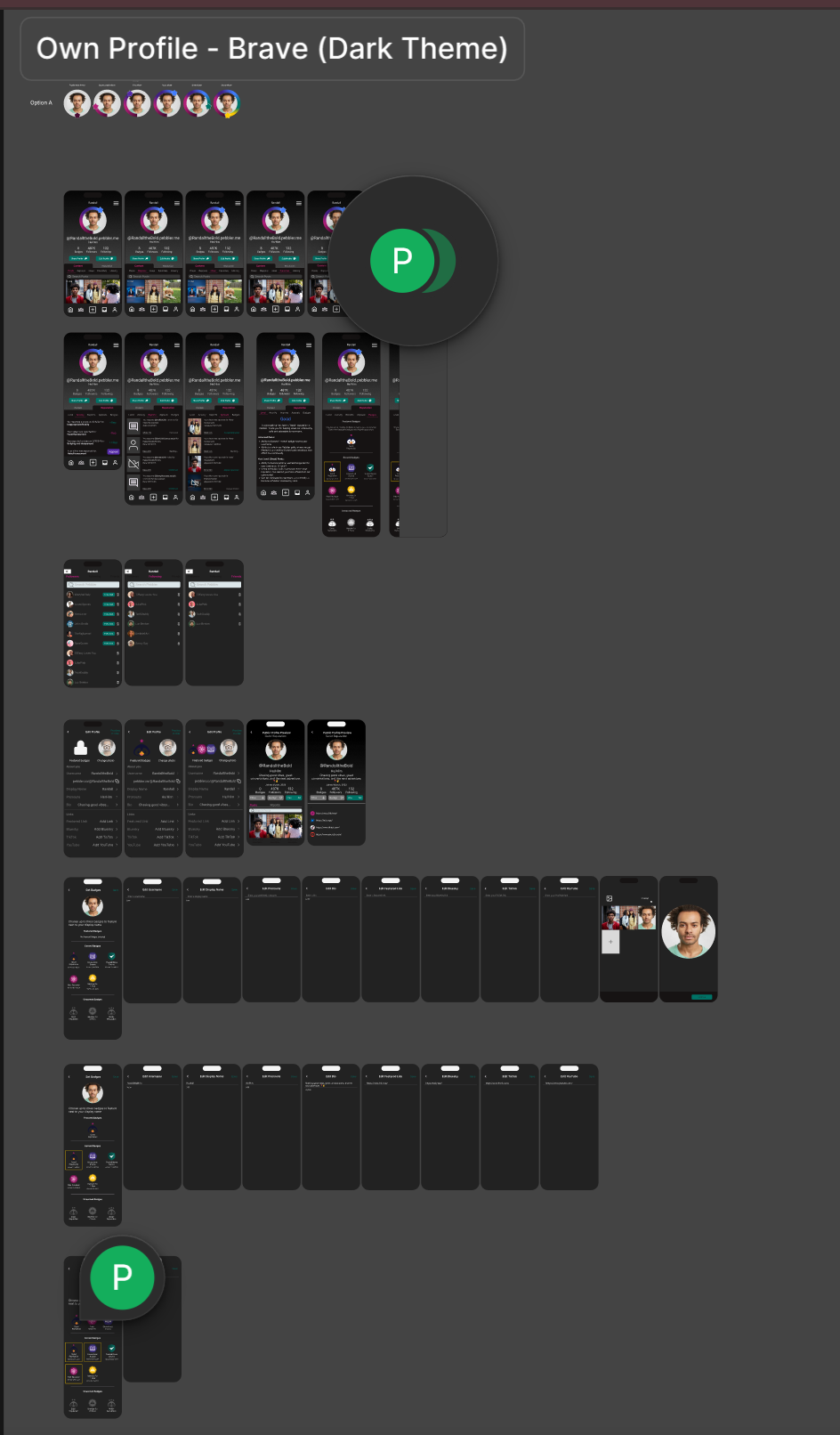
Challenges: Leading a team of volunteer designers came with its own set of challenges. I had to hold the institutional knowledge of the entire project, connecting new members of the team efficiently and comprehensively. I learned that having documented systems and processes saved everyone time and energy to focus more on the work and less on onboarding or ambiguity.
I also learned that, when designers on the team got stuck on differences of opinion in design direction, it helped to turn back to user feedback as a tie-breaker. It reminded us whose opinion mattered most—the users we were building the product for.